As we ring in the new year, it comes with dieting and weight loss resolutions…sound familiar? All to often, we use the new year as a promise to stick to our goals and say to ourselves “we can do this, I’m going to lose the 10 pounds this year”. Losing it may not be the challenge, for some, keeping it off is. When it comes to dieting, often times there is an all or nothing mentality. Almost everyone has said something like this once or twice, “I’m going to eat no carbs” or “I heard that new diet (insert whatever the popular diet of the moment is) works really well”. Most diets are easy to follow for a short period of time, but they are likely not sustainable in the long-term which will lead to regaining previously lost weight.
In order to be successful with meeting your weight loss goals and maintaining them in the long-term, there needs to be a shift in mindset that this is a lifestyle change. I’ve listed some tips below to help you set and meet realistic health goals.
#1 – Start of with small changes
Yes, we would all love to lose 10 pounds in 10 days, but that just isn’t realistic or healthy. When making a lifestyle change to commit to be healthy, small changes make a big impact. For example:
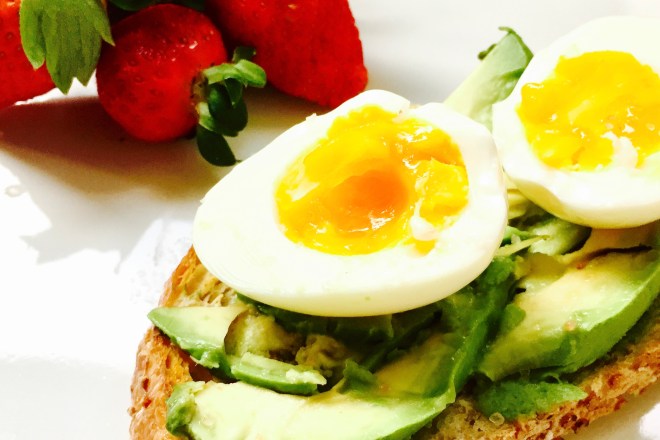
If you skip breakfast, start including it as a part of your daily routine. Choose a well balanced breakfast that includes a high quality lean protein.
Decrease your portion sizes. Get your measuring cups out and measure/portion out everything you eat. I always tell people, after measuring everything for two weeks, it will be much easier moving forward to eyeball an appropriate portion. This can be an eye opening exercise for many people. Sometimes, you really just don’t realize how off your perception of a portion is.
Vow to eat five a day. If your consumption of fruits and vegetables is low, aim to eat five portions each day.
#2 – Drop the “All or Nothing” Mentality
You are setting yourself up for failure with this mentality. You restrict all week and then go out one night and indulge in a calorie laden meal, a couple of drinks and dessert. The next morning you feel bad that you “failed” on your diet and then say to yourself, “well, since I cheated last night I may as well eat biscuits and gravy for breakfast”. You tell yourself you will get back on the diet Monday, all the while you are sabotaging yourself through the weekend. This mentality doesn’t establish a healthy relationship with food. It’s ok to indulge and enjoy the things you like and when you do, just tell yourself you will make healthier choices the next day. Everything in moderation!
#3 – You don’t have to calorie count
Calorie counting can be overwhelming, laborious, and exhausting. What we know is that fewer calories in = weight loss, and consuming high quality calories is even more important. High quality calories are lean proteins, fruits, vegetables and moderate amounts of grains and healthy fats. If calorie counting isn’t for you, try the plate method. Make half your plate veggies, a quarter of your plate lean protein and a quarter of your plate a high quality starch.







 Susie Howard Nutrition